Workplace Safety Starts Before an Emergency
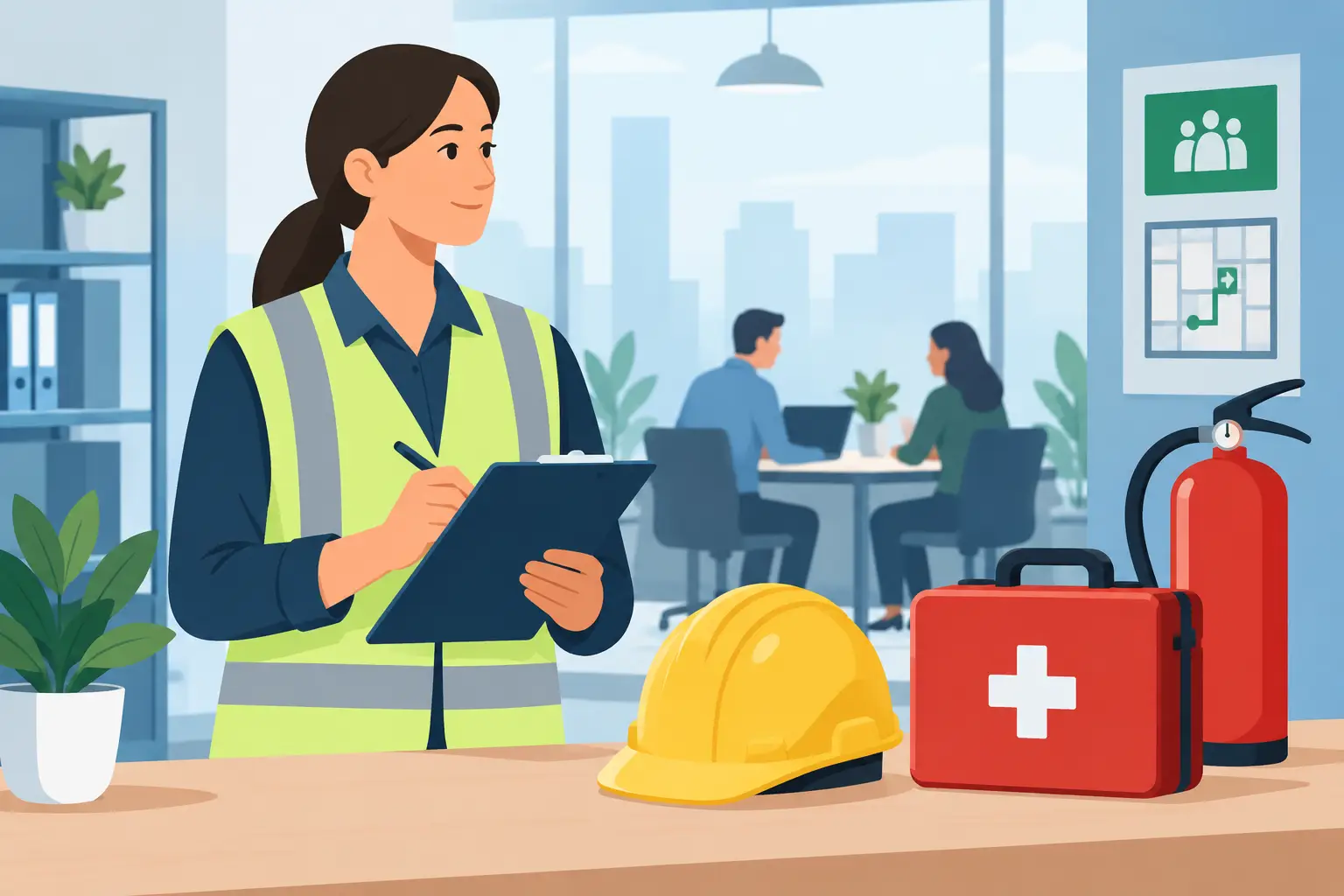
A workplace incident rarely begins at the moment someone gets hurt. It usually starts earlier with an unaddressed hazard, unclear procedure, missing equipment, or a worker who does not know what to do next. Workplace safety is the daily discipline of finding those gaps before they become injuries, illnesses, lost time, or emergencies.
For employers, supervisors, and workers, the goal is not to create paperwork for its own sake. The goal is to make safe decisions easier under normal working conditions and more reliable when pressure rises. That requires practical controls, clear responsibilities, and training that prepares people to act.
Workplace Safety Is a Shared Operating Responsibility
Employers have the greatest control over the work environment. They determine equipment, staffing, procedures, maintenance schedules, and the resources available to correct hazards. A safety program cannot rely on workers simply being careful if the work itself is poorly organized or necessary safeguards are missing.
Supervisors translate safety expectations into daily practice. They need to recognize unsafe conditions, correct them promptly, communicate changing risks, and ensure workers understand the task before it begins. A written procedure is useful only when the person directing the work can apply it on the floor, at a job site, or during a shift.
Workers also have an active role. They should use required protective equipment, follow established procedures, report hazards and near misses, and ask questions when instructions are incomplete. Reporting is not a failure. It is one of the fastest ways to prevent a repeat incident.
This shared responsibility matters because workplaces change. A new employee, a rushed delivery, damaged flooring, an unfamiliar chemical, or a change in staffing can create risks that were not present the day before. Safety must be part of routine operations, not an annual reminder.
Start With Hazards, Then Choose Controls
An effective safety process begins with a simple question: what could cause harm during this task? The answer should consider more than dramatic events. Slips, repetitive strain, lifting injuries, poor lighting, fatigue, workplace violence, and exposure to hazardous materials can all create serious consequences.
Once a hazard is identified, the strongest response is usually to remove it or reduce it at the source. For example, replacing a damaged cord is more reliable than telling employees to watch their step around it. Using a lifting device can be more effective than asking workers to lift carefully. Personal protective equipment is necessary in many settings, but it is generally the last layer of protection rather than the only plan.
A practical hierarchy of controls moves from stronger to weaker options:
- Eliminate the hazard by removing the unsafe task, substance, or condition.
- Substitute a safer material, tool, or process where possible.
- Use engineering controls such as guards, ventilation, barriers, or mechanical lifting aids.
- Apply administrative controls, including scheduling, procedures, signage, and supervision.
- Provide personal protective equipment that fits, is maintained, and is used correctly.
The right control depends on the workplace. A retail environment may focus on slip prevention, de-escalation, and safe stock handling. A warehouse may need traffic management, machine guarding, and lifting controls. Security staff may require clear communication procedures and preparation for medical incidents or confrontational situations. The principle remains the same: address the risk before relying on a worker to avoid it perfectly every time.
Make Procedures Specific Enough to Use
Generic statements such as work safely or use proper lifting techniques do not provide enough direction. Workers need procedures that explain the actual task, the known hazards, the required equipment, and the point at which they must stop and get help.
For higher-risk activities, a pre-task discussion can prevent confusion. Before beginning, confirm who is responsible for each step, what equipment is needed, how the area will be secured, and what to do if conditions change. This is especially useful when employees are working alone, handling unfamiliar materials, working after hours, or completing a task outside their usual role.
Procedures should also account for real operational pressure. If a process only works when staffing is ideal and no one is rushed, it may not work in practice. Employers should ask whether workers have enough time, authority, and equipment to follow the procedure as written. If the answer is no, the procedure needs adjustment.
First Aid Readiness Is Part of the Safety Plan
Not every incident can be prevented. When an injury or sudden illness occurs, the first minutes can affect the outcome. A workplace should be prepared with accessible first aid supplies, employees who know how to report an emergency, and trained responders who can provide care within the scope of their certification.
First aid readiness is not limited to having a kit on a wall. Supplies must be appropriate for the workplace, easy to locate, and regularly inspected. Employees should know who the designated first aid personnel are, how to contact them, and when to call emergency services. In larger or more complex workplaces, response plans should account for multiple floors, remote areas, shift changes, and visitors.
Training gives workers a structured approach when someone is injured or becomes ill. A recognized first aid and CPR course covers assessment, emergency response, CPR, AED use, and common workplace injuries. For employers in Ontario, training and first aid provisions should align with applicable workplace requirements and the level of risk present in the operation.
Canada First Aid provides Intermediate First Aid Level C with AED certification through a blended format that combines online coursework with in-person skills instruction. This approach can help workers complete recognized training while still practicing the hands-on actions that cannot be learned from a screen alone.
Train for Retention, Not Just a Certificate
Certification is a valuable credential, particularly when an employer requires documented first aid training. But the best result is a worker who can recognize an emergency, call for help, retrieve an AED, control bleeding, and communicate clearly until additional help arrives.
That requires training that is current, practical, and matched to the work environment. A person who completed a course years ago may hold important knowledge but still hesitate when faced with a real emergency. Skills fade without use. Refresher training, drills, and short safety discussions help keep critical actions familiar.
The same applies to workplace procedures. New hires need an orientation that is relevant to their actual duties, not just a stack of policies to sign. Existing employees need updates when equipment, layouts, products, or responsibilities change. Supervisors should receive training that helps them identify hazards and respond consistently when concerns are raised.
Learn From Near Misses and Small Failures
A near miss is an event that could have caused injury, damage, or illness but did not. It might be a box falling beside a worker, a vehicle stopping just in time, or a spill noticed before someone slips. These events are valuable warning signs because they reveal a weakness without requiring someone to be harmed first.
A useful report asks what happened, what conditions allowed it, and what can prevent recurrence. It should not begin by looking for someone to blame. When workers expect punishment for reporting concerns, hazards stay hidden. When management responds promptly and fairly, reporting becomes part of normal operations.
Corrective action should be specific. If clutter caused a trip hazard, identify why it was left there, who is responsible for storage, and whether the area has enough space. If employees bypass a machine guard, determine whether the guard is difficult to use, damaged, or being overridden to meet unrealistic production demands. The immediate fix matters, but the underlying cause matters more.
Build Safety Into Everyday Decisions
Strong safety programs are visible in ordinary work. Equipment is maintained before it fails. Walkways stay clear. Supervisors check understanding instead of assuming it. Workers can pause a task when conditions are unsafe. First aid supplies are ready before an incident occurs.
There is no single control that makes every workplace safe. Requirements vary by industry, worksite, number of employees, and the hazards involved. What does not vary is the need for a clear system: identify hazards, apply effective controls, prepare people to respond, and improve after problems are found.
The next useful step is simple: look at one routine task performed this week and ask whether the people doing it have the equipment, instructions, and training needed to complete it safely. That question often identifies the improvement that matters most.