First Aid Level C Meaning Explained
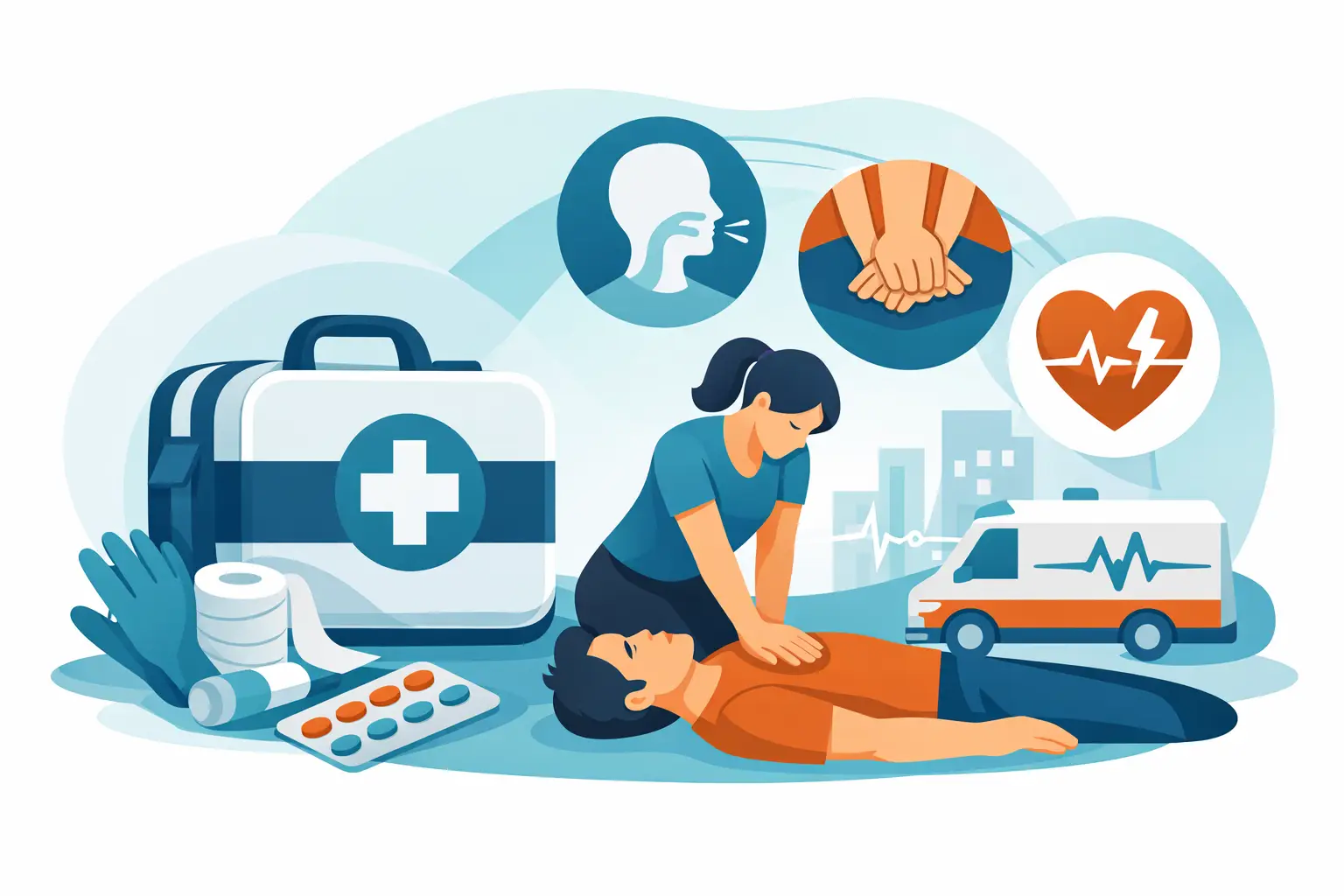
If an employer asks for Level C, they are not asking for a vague safety course. They are asking for a specific first aid and CPR credential that includes adult, child, and infant resuscitation skills. That is the core of first aid level c meaning, and it matters because the wrong course can leave you short of a job requirement or workplace compliance standard.
In Ontario, people often hear terms like Emergency First Aid, Standard First Aid, CPR A, CPR C, and AED without knowing how they connect. Level C refers to the CPR component, not the entire first aid program by itself. When you see Standard First Aid with CPR Level C and AED, it means you are taking a more complete course that combines first aid training with CPR skills for adults, children, and infants, plus automated external defibrillator use.
For job seekers, supervisors, security staff, and employers, that distinction is not minor. It determines whether the certificate meets the stated requirement and whether the training matches the real risks of the workplace.
What first aid level c meaning actually refers to
The simplest way to understand first aid level c meaning is this: CPR Level C covers cardiopulmonary resuscitation for adults, children, and infants. It is broader than CPR Level A, which focuses on adult victims only. In many workplaces, Level C is the expected standard because employees may need to respond to a wider range of medical emergencies.
On its own, CPR Level C is a CPR credential. When paired with a first aid course, it becomes part of a more comprehensive certification. For example, Standard First Aid with CPR Level C and AED includes scene assessment, choking response, wound care, sudden medical emergencies, and CPR skills across age groups.
That is why people sometimes misunderstand the term. They assume Level C is a complete first aid category. It is better understood as a CPR classification that is commonly included within recognized first aid certification programs.
Why employers ask for Level C
Most employers are not trying to test whether you know course terminology. They want confirmation that your training covers the age groups and emergency response skills relevant to the role.
Level C is common in workplaces because it prepares the learner to respond to adult, child, and infant emergencies. That matters in schools, childcare settings, recreation, public-facing roles, security work, health support environments, and many general workplaces where the public may be present. Even in a standard office, an employer may prefer broader coverage rather than adult-only CPR.
There is also a compliance angle. Some workplaces need workers trained to a recognized standard that aligns with occupational safety expectations. In those cases, a certificate with Standard or Intermediate First Aid, CPR Level C, and AED may be the practical requirement, not just a nice addition.
First aid level c meaning versus CPR A and other levels
The confusion usually starts when people compare CPR levels without looking at the full course title.
CPR Level A is limited to adult resuscitation. CPR Level C includes adult, child, and infant CPR. In many training systems, AED instruction is included as well, because defibrillator use is now considered a standard part of emergency response education.
You may also see higher-level healthcare CPR courses in some settings. Those are usually intended for medical professionals or clinical staff and are not interchangeable with general workplace first aid training unless an employer specifically accepts them.
The practical point is simple. If the requirement says Level C, do not assume Level A will be enough. And if the requirement says first aid plus Level C, do not register for a stand-alone CPR course unless that is explicitly accepted.
What is usually included in a course with CPR Level C
A recognized first aid course that includes Level C typically covers both prevention and response. The CPR section teaches how to identify cardiac arrest, perform chest compressions, provide rescue breaths where applicable, and use an AED. The Level C designation means those response steps are practiced for adults, children, and infants.
The first aid portion usually addresses bleeding, shock, choking, burns, fractures, sprains, environmental emergencies, and common medical conditions such as seizures or diabetic emergencies. Depending on the course level, learners may also cover secondary assessment, head and spinal injuries, and more detailed patient care procedures.
This is where course names matter. Emergency First Aid with CPR C is shorter and more basic. Standard or Intermediate First Aid with CPR C goes further and is more commonly requested for workplace certification. If your goal is employment or compliance, the exact wording on the certificate should match what the employer or site requires.
Who usually needs this certification
Level C is often required by workers who may deal with the public, children, or varied workplace risks. Security guards, teachers, fitness staff, personal support workers, supervisors, and designated workplace first aid attendants commonly need it. Job applicants in customer-facing roles are also frequently asked for it as a condition of hiring.
For employers, the issue is less about theory and more about operational readiness. If an incident happens on site, staff need training that reflects realistic scenarios. A broader CPR scope reduces gaps.
For individuals, the value is straightforward. A recognized certificate can satisfy a job posting, support a current role, or improve personal preparedness. The trade-off is time. A more complete course takes longer than a basic CPR class, but it is often the safer choice when requirements are unclear.
How blended training fits workplace needs
Many adults looking up first aid level c meaning are doing it because they need certification quickly and do not want to waste time in the wrong format. Blended learning solves part of that problem by dividing the course into online theory and in-person practical instruction.
That format works well for working adults because the knowledge-based content can be completed on a flexible schedule, while the hands-on session is reserved for skill practice and evaluation. For a provider like Canada First Aid, that structure supports efficient certification without removing the practical testing that employers and safety standards expect.
It is not the right fit for everyone. Some learners prefer all classroom instruction, especially if they have no prior first aid experience. But for many job seekers and employees balancing shifts, commuting, and deadlines, blended delivery is the more practical option.
How to tell if you need Level C or a different course
Start with the exact wording from the employer, licensing body, school, or contract. If it says CPR C, take CPR C. If it says Standard First Aid with CPR C and AED, register for that full credential. If it says Intermediate First Aid, make sure the course title matches that standard.
Do not rely on assumptions or verbal summaries. Terms like full first aid, basic CPR, or workplace safety course are too vague. What matters is the certificate issued at the end and whether it is recognized for the purpose you need.
If you are unsure, ask three specific questions before registering: what is the exact course title, is the certification recognized for workplace requirements, and does it include AED training. Those questions usually clarify whether the course fits the requirement.
Common mistakes people make
The most common mistake is treating Level C as a complete first aid course rather than a CPR designation. The second is choosing the cheapest or shortest class without checking if it matches the job requirement. The third is booking adult-only CPR when the employer expects adult, child, and infant coverage.
Another issue is expired certification. Even if you previously completed the right training, an out-of-date certificate may not be accepted. Employers usually want current, recognized credentials, not proof that you took a course several years ago.
There is also a location and recognition issue. A course may teach useful content but still fail to meet a workplace standard if it is not issued through an accepted training framework. For employment purposes, legitimacy matters as much as convenience.
Why the wording on the certificate matters
Employers and safety coordinators often review certificates quickly. They are looking for exact terms, not broad interpretations. If the requirement is CPR Level C with AED, the document should clearly show that. If the workplace requires Intermediate or Standard First Aid, that should appear as well.
This is one reason people benefit from choosing a provider that is clear about course titles, delivery format, and recognition status before registration. It reduces the chance of paying for training that does not solve the actual requirement.
When you understand first aid level c meaning, the decision gets easier. You are not just buying a class. You are selecting a credential that needs to stand up to employer review, workplace safety expectations, and real emergency use. A few extra minutes spent confirming the exact requirement can save you from repeating the whole process later.
If you need certification for work, treat the course title the same way you would treat any other job qualification - check the wording, confirm the standard, and register for the one that matches.