Standard Intermediate First Aid CPR Level C & AED
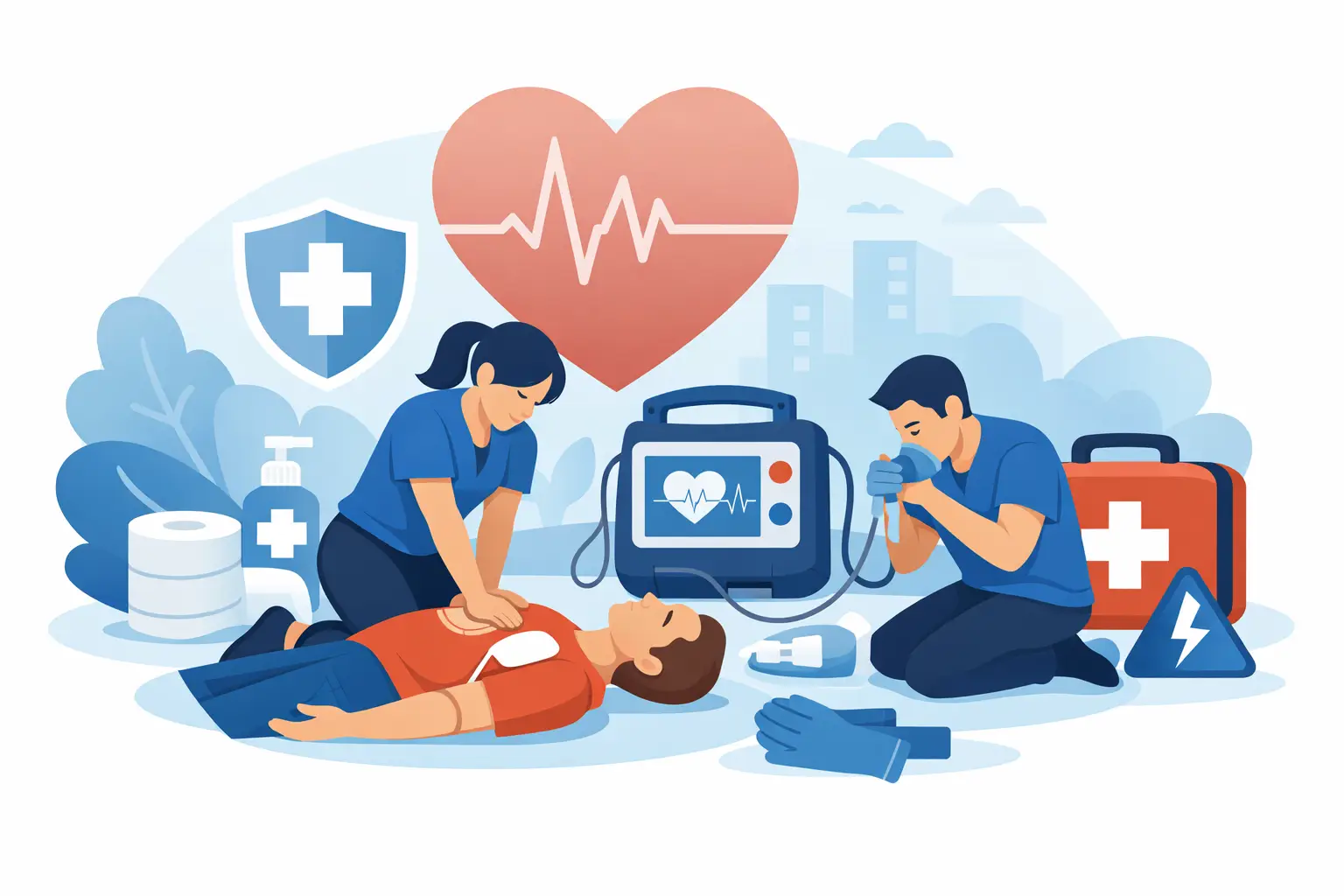
If an employer asks for a standard intermediate first aid cpr level c & aed certificate, they are not asking for a generic safety course. They are asking for recognized training that prepares you to respond to real emergencies and satisfies a clear workplace requirement. For job seekers, supervisors, security staff, and employees in Ontario, the difference matters because the wrong course can waste time, money, and delay hiring.
What the standard intermediate first aid CPR Level C & AED certificate means
A standard intermediate first aid CPR Level C & AED certificate confirms that you have completed a recognized course covering both first aid principles and CPR skills for adults, children, and infants, along with automated external defibrillator use. In practical terms, it is the credential many workplaces expect when a role includes safety responsibility, public interaction, or compliance obligations.
The wording can vary from one provider to another, which is where confusion starts. Some people search for standard first aid, others for intermediate first aid, and some employers use older terminology in job postings. What matters is whether the course is recognized, current, and accepted for the role you need it for. If you are training for work in Ontario, that recognition status should be one of the first things you verify.
Why employers ask for this certificate
Most people do not need this certification for academic interest. They need it because a job posting, a manager, or a workplace safety policy requires it. Security personnel, teachers, fitness staff, construction workers, child care staff, warehouse employees, and supervisors are common examples. In many cases, the employer is looking for a credential that aligns with workplace safety expectations and can stand up during an audit or internal review.
This is also why a low-cost course with vague wording can become a problem. A certificate only helps if the employer accepts it. If the training is not properly recognized or does not match the required course level, you may have to take the course again. That is avoidable if you confirm the standard before registering.
What is included in intermediate first aid, CPR Level C, and AED
The course content is designed to prepare you for the incidents most likely to happen in public, workplace, and community settings. That usually includes scene assessment, emergency medical services activation, airway emergencies, breathing and circulation problems, shock, severe bleeding, burns, fractures, head and spinal injuries, medical emergencies, and sudden cardiac arrest response.
CPR Level C expands the scope beyond adult CPR alone. It includes adult, child, and infant CPR, which is relevant in many workplaces where you may interact with the public, families, students, or mixed-age groups. AED training is included because rapid defibrillation can be critical in cardiac emergencies, and many workplaces now have AEDs on site.
The course is practical by design. This is not just theory and a written test. You are expected to demonstrate skills, follow emergency response sequences, and show that you can act in a structured way under pressure.
Blended learning makes the certificate more efficient
For many working adults, the biggest obstacle is not willingness. It is time. A blended course format solves part of that problem by splitting the training into online and in-person components. Instead of spending two full days in a classroom, learners complete the theory portion online first and then attend a practical session for hands-on instruction and skills testing.
That structure works well when the provider delivers 8 hours online and 8 hours in person. The online section lets you move through foundational material on your schedule. The in-person session focuses on demonstrations, practice, instructor feedback, and evaluation. For people balancing shift work, job applications, or family responsibilities, this format is often the most efficient route to certification.
There is a trade-off. Blended learning is convenient, but only if you actually complete the online portion before the classroom date. If you postpone it, the schedule advantage disappears. The format is flexible, not automatic.
WSIB recognition is not a minor detail
When comparing providers, WSIB recognition should not be treated as fine print. It directly affects whether the course meets workplace expectations in Ontario. Employers often use recognition status as a simple filter because they need confidence that the training meets an accepted standard.
If your certificate is for employment, workplace compliance, or internal policy requirements, recognition matters more than marketing language. A course can sound comprehensive and still fail to meet what your employer requested. The practical question is straightforward: will this credential be accepted where you need to use it?
That is especially important for applicants trying to qualify for a new position quickly. A recognized certificate removes uncertainty. It gives employers a clear basis for acceptance and reduces the risk of re-training.
Who should take this course
The standard intermediate first aid cpr level c & aed certificate is appropriate for a wide range of adults, but the reason for taking it affects what you should confirm before enrolling. If you are taking it for a job, confirm the exact certificate requirement in the posting or with the employer. If you are an employer booking staff, confirm the recognition status and delivery format. If you are taking it for personal preparedness, the key factor may be practical scheduling and local access rather than a strict compliance deadline.
This course is commonly chosen by people who need a recognized credential without unnecessary delays. That includes new hires who need certification before a start date, existing employees whose credentials are expiring, and individuals adding first aid training to strengthen their resume.
What to look for before registering
Not every provider offers the same value, even when the course title looks similar. The first issue is recognition. The second is format. The third is whether the provider clearly explains what is included, how long the course takes, and what you receive at the end.
You should also pay attention to location and scheduling. If your in-person training site is difficult to reach, the convenience of blended learning is reduced. For learners in Toronto and Peel, local delivery can make a meaningful difference, especially when trying to book around work shifts.
Price matters, but it should be read alongside recognition and structure. A cheaper course that is not accepted by your employer is more expensive in practice because you may have to pay twice. Clear registration steps, direct contact access, and a straightforward schedule are usually better indicators of a reliable provider than promotional claims.
How the certification process typically works
In most cases, registration is simple. You choose a date, complete enrollment, and receive access to the online portion. After finishing the required online modules, you attend the in-person training session where an instructor reviews practical skills and evaluates performance.
The hands-on day is where the training becomes operational. You practice CPR, AED use, recovery positions, bandaging, emergency assessment, and scenario response. Successful completion leads to certification. For people who need proof of training for work, that timeline is important because it affects onboarding, shift eligibility, and compliance deadlines.
Canada First Aid delivers this course in a blended format built around 8 hours online and 8 hours in person, which aligns well with the needs of working adults who need recognized training without unnecessary scheduling friction.
Common mistakes that delay certification
The most common problem is assuming all first aid certificates are interchangeable. They are not. A basic course may not satisfy an employer asking for intermediate first aid with CPR Level C and AED. Another mistake is waiting until the last minute, especially when a job offer or recertification deadline is already in place.
Some learners also overlook the in-person requirement and focus only on the online portion. That creates a false sense of progress. Until the practical training and evaluation are complete, the certification process is not finished. Others fail to check whether their name, course level, or completion details match what their employer requested.
A small amount of verification at the start can prevent most of these issues.
When this certificate is the right choice
This certificate is the right choice when you need a recognized, workplace-relevant first aid credential that includes broader CPR coverage and AED training. It is especially suitable when your role involves public contact, team responsibility, regulated safety expectations, or an employer requirement that must be documented clearly.
It may not be the only option in every case. Some roles need only CPR, while others require more specialized training. That is why checking the exact requirement is always worth doing first. But if an employer specifies intermediate first aid with CPR Level C and AED, the path is clear: choose a recognized provider, complete the blended training properly, and make sure the certificate aligns with the role.
A good first aid course should do two things at once - satisfy the requirement on paper and prepare you to respond when something actually happens. If you are registering for this certificate, that is the standard to use.