Do Security Guards Need CPR Certification?
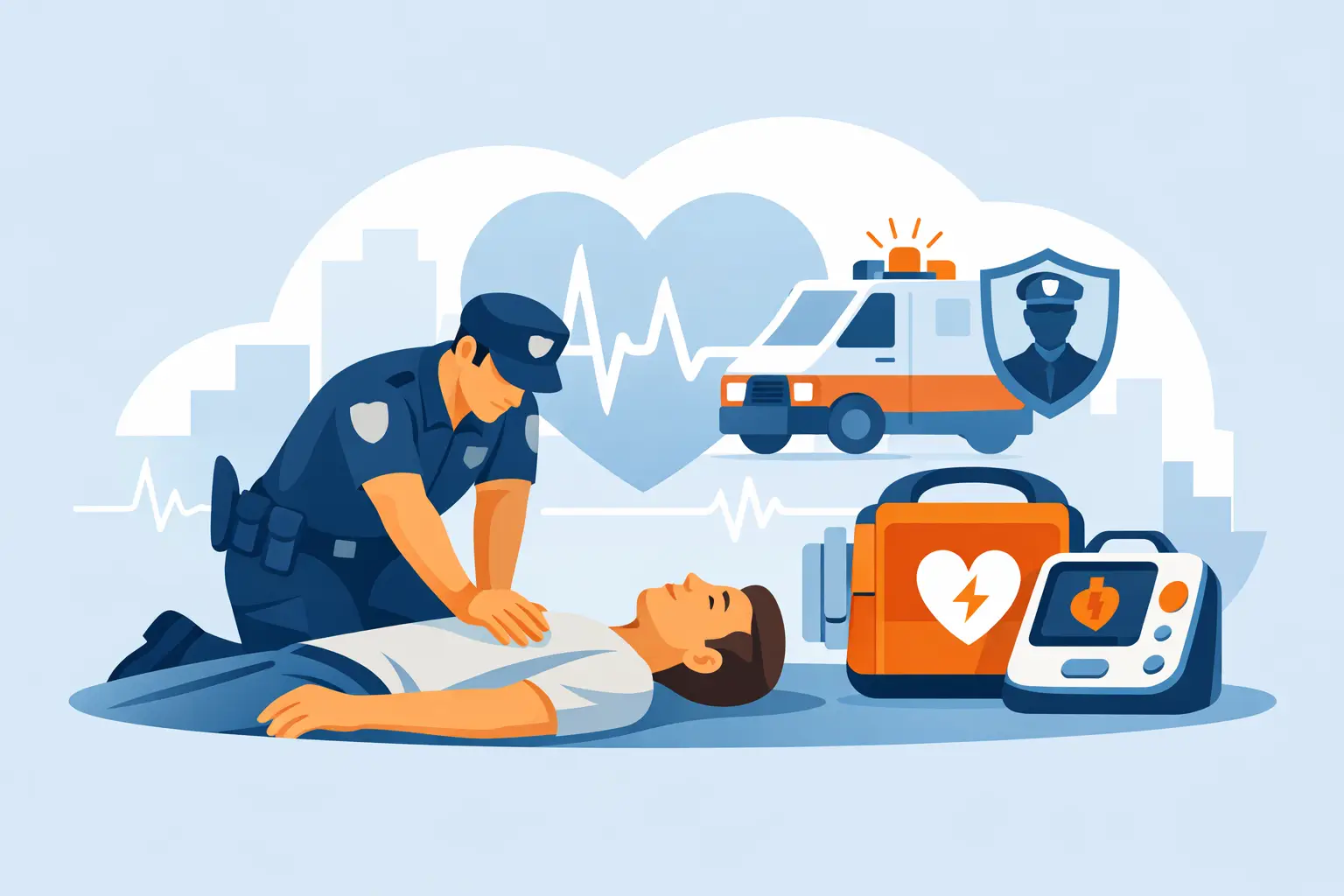
A guard is often the first person on scene when someone collapses in a lobby, is injured during an incident, or experiences a medical emergency before paramedics arrive. So, do security guards need CPR certification? In Ontario, the answer is generally yes for licensing, and the right level of training can also be a condition of employment or assignment.
CPR certification is not simply a resume item for security professionals. It confirms that a guard has been trained to respond during the critical minutes before emergency medical services take over. For employers, it also helps support workplace safety expectations and creates a more capable frontline team.
Do Security Guards Need CPR Certification in Ontario?
Ontario security guard applicants must complete required basic training and pass the provincial test before applying for a security guard license. Emergency First Aid and CPR certification is part of the licensing pathway. The certificate must be valid and issued by a training provider recognized for the applicable emergency first aid standard.
This requirement matters because a security license alone does not prove current first aid competency. A guard may remain employed in a role, but an expired CPR certificate can create a licensing, client-contract, or workplace compliance problem. Guards should track their certification expiry date and renew before it lapses.
The precise course requirement can depend on the employer, site, collective agreement, or client contract. Some positions require only the minimum emergency first aid and CPR credential needed for licensing. Others require a higher-level course, especially when guards work alone, supervise staff, cover large public spaces, or operate in settings with increased injury risk.
Why CPR Is Relevant to Security Work
Security personnel are commonly responsible for monitoring access, responding to alarms, managing disturbances, conducting patrols, and directing emergency responders. Medical response may not be their primary duty, but medical incidents occur in every type of property.
A trained guard may need to recognize that a person is unresponsive, call 911, begin CPR, retrieve an AED, control the scene, and provide clear information to paramedics. These actions do not replace professional medical care. They help preserve the person’s chance of survival while care is on the way.
CPR training also gives guards a clearer understanding of their role during an emergency. They learn to assess scene safety before approaching, use personal protective equipment where available, communicate with bystanders, and document the incident according to site procedures. That operational discipline is as valuable as the physical CPR skills.
Minimum Certification vs. Employer Requirements
A guard should not assume that the minimum licensing certificate will satisfy every job posting. Employers can set higher standards based on the nature of the contract and the hazards at the site.
For example, a concierge or access-control position may require the standard credential needed for licensing. A guard assigned to a construction project, industrial facility, event venue, shelter, school, or remote site may be asked to hold a more comprehensive first aid certificate. The employer’s hazard assessment, the number of workers on site, shift coverage, and distance from medical care can all affect the requirement.
Intermediate First Aid Level C with AED training is often a practical choice for guards who need broader workplace readiness. In addition to CPR and AED skills, it covers a wider range of injuries and medical emergencies that may arise at work. It can also meet employer expectations where a higher level of recognized first aid training is required.
Before registering, review the job description or ask the employer which certificate is accepted. Confirm the required level, whether AED training is included, whether the provider must be recognized by the Workplace Safety and Insurance Board, and how long the certificate must remain valid after hiring. Getting the right answer before class prevents unnecessary retraining.
What CPR Training Should Prepare a Guard to Do
A legitimate first aid and CPR course should be hands-on, current, and assessed by a qualified instructor. Online material can help learners complete theory efficiently, but practical skills must be demonstrated in person when the certification requires it.
Security guards should expect to practice how to assess an emergency, contact emergency services, provide CPR to adults and children as applicable, respond to choking, and use an automated external defibrillator. They should also learn basic first aid priorities such as controlling severe bleeding, responding to shock, managing seizures, and recognizing serious medical conditions.
Training should address the limits of a guard’s role. A security professional should provide care within their training, follow emergency procedures, avoid moving an injured person unless there is immediate danger, and transfer information to paramedics. Sound judgment is part of effective emergency response.
How Often Must Security Guards Renew CPR Certification?
CPR and first aid certificates have expiry periods. The exact renewal timeline depends on the course standard and issuing organization, but many workplace first aid certificates are valid for three years. A guard should verify the expiry date printed on the certificate instead of relying on a general rule.
Renewal should be scheduled early. Waiting until the last week can lead to missed shifts, a delayed license application, or removal from a contract that requires current credentials. This is especially relevant for guards working through agencies or on client sites where documentation is checked before each assignment.
A renewal course is not just paperwork. Skills such as CPR compressions and AED use need regular practice. Refresher training helps guards act more quickly and confidently during a real emergency, particularly when the work environment is stressful or crowded.
Choosing a Course That Meets Job Requirements
The fastest course is not always the right course. Security professionals should choose training based on recognition, course level, delivery format, and the employer’s stated requirement.
For Ontario workplace and security needs, look for a course delivered by a recognized provider and make sure the certificate clearly identifies the first aid and CPR level completed. If an employer requests Intermediate First Aid Level C with AED, a basic CPR-only course will not be an equivalent substitute.
Blended learning can be useful for working guards and job seekers. Canada First Aid offers Intermediate First Aid Level C with AED certification through a blended format that combines eight hours of online coursework with eight hours of in-person instruction. This structure allows learners to complete theory before attending practical skills training, assessment, and certification.
Keep a copy of the certificate after completion and provide it promptly when requested by an employer or licensing process. Digital records are helpful, but guards should also know where to access their certificate if a supervisor or client asks for proof on short notice.
Frequently Asked Questions
Can a security guard work with an expired CPR certificate?
An expired certificate can create problems for licensing and employment requirements. Whether a guard can continue working depends on the applicable license status, employer policy, and contract requirements. The practical approach is to renew before the certificate expires and avoid any gap in credentials.
Is online-only CPR training enough for a security guard?
Not necessarily. A course must meet the required recognition and practical skills standard. For credentials that require in-person skills assessment, online-only training may not be accepted by an employer, licensing process, or workplace program.
Do all security jobs require the same first aid level?
No. The required level can vary by site and employer. A guard should meet the minimum licensing requirement, then obtain any additional training specified by the employer or client contract.
A current CPR and first aid certificate gives a security guard more than a hiring credential. It provides a defined, practical response when seconds matter, which is exactly the kind of readiness clients and workplaces expect from trained security personnel.