How to Choose WSIB First Aid Training in Ontario
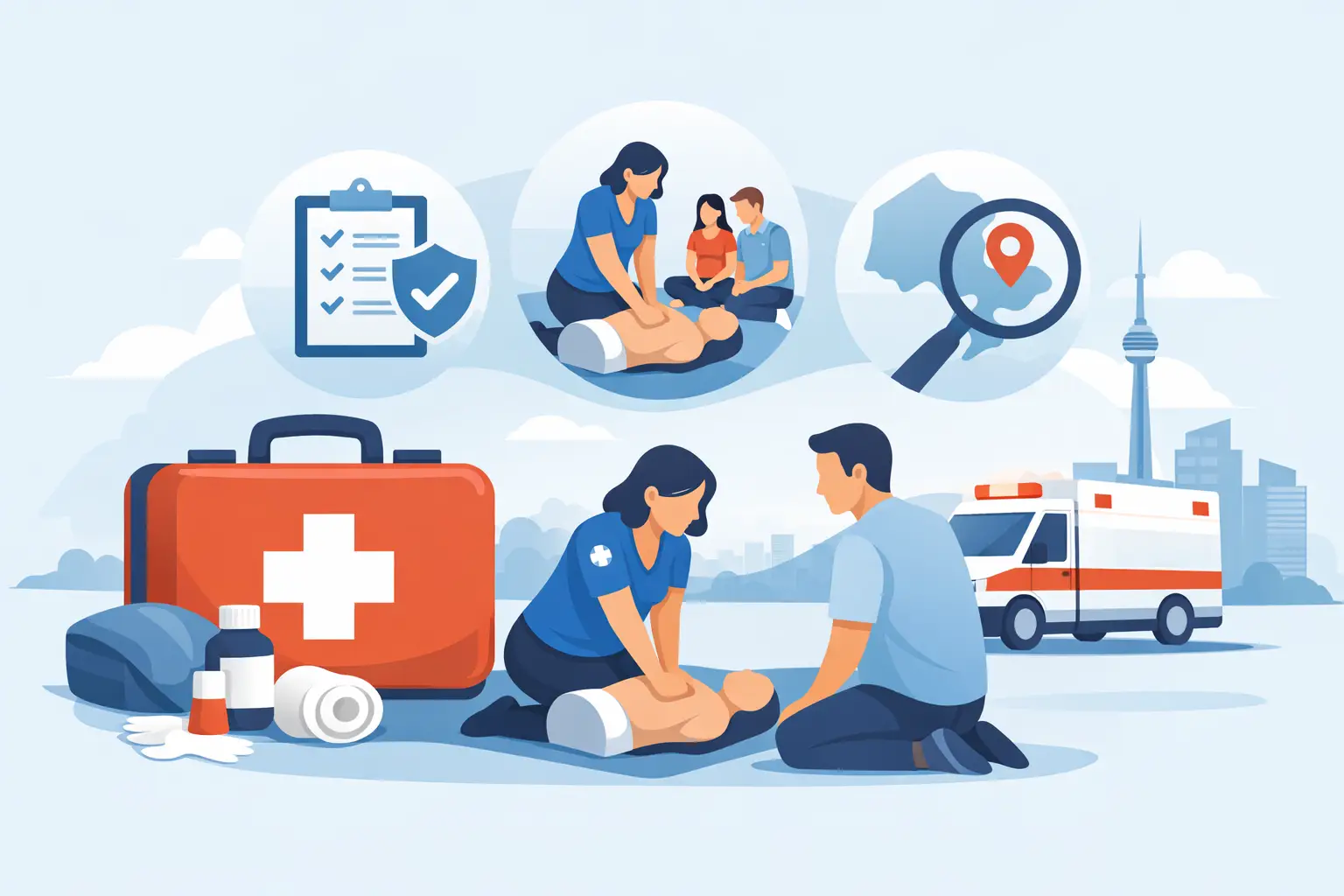
A certificate that looks legitimate is not enough when an employer, job posting, or workplace inspection requires recognized first aid training. Knowing how to choose WSIB first aid means checking the course level, the provider’s approval status, the training format, and whether the credential fits the duties you are expected to perform.
For Ontario workers and employers, the right choice is rarely the cheapest or shortest course advertised. It is the course that meets the workplace requirement, gives participants practical response skills, and results in documentation that can be used with confidence.
Start With the Workplace Requirement
Before comparing course dates or prices, identify why the training is needed. A job applicant may need a valid first aid and CPR credential before starting work. A supervisor may be selecting training for a team to meet workplace first aid obligations. A security professional may need certification that reflects the realities of public-facing work, where medical emergencies can happen before paramedics arrive.
The required level can depend on the workplace, the number of workers present, the work location, the nature of the hazards, and the employer’s internal safety policy. Ontario workplaces must provide first aid supplies, facilities, and trained personnel in line with applicable requirements. The employer should confirm what level of training is required for each shift and location rather than assuming one course fits every role.
If you are taking the course for employment, ask the employer or recruiter one direct question: “What first aid and CPR certification do you require?” Ask whether they require a WSIB-recognized provider, a particular course level, CPR Level C, or AED training. This avoids paying for a course that does not satisfy the position.
Confirm the Provider Is WSIB-Recognized
Provider recognition should be a non-negotiable part of the decision. A first aid course may be useful for personal knowledge but still fail to meet an employer’s workplace certification requirement if the training organization is not recognized for the purpose required.
A qualified provider should clearly state the recognition status of its program and explain the certificate issued after successful completion. Do not rely on vague wording such as “workplace friendly,” “industry accepted,” or “meets general standards.” Look for clear information about WSIB recognition, the course name, CPR level, AED component, certificate validity, and attendance requirements.
This is particularly relevant for employers booking group training. A course that is not accepted can create a compliance problem, force staff to retrain, and leave gaps in shift coverage. The lower upfront price is not a saving if employees must take another course later.
Choose the Course Level That Fits the Risk
First aid training is not one single product. The appropriate level depends on what the learner must be prepared to do and what the workplace requires.
Emergency-level training is generally intended for shorter, more basic workplace needs. It can be appropriate where the employer confirms that this level meets the role and staffing requirement. Standard or intermediate-level first aid provides broader instruction and more time for skill practice, making it a stronger choice for many workplaces, supervisors, security personnel, and employees who may be first on scene during an emergency.
CPR Level C is often requested because it prepares learners to respond to cardiac emergencies involving adults, children, and infants. AED instruction is equally practical. Automated external defibrillators are designed to guide a rescuer through use, but training helps participants act quickly, understand the device prompts, and work effectively with other responders.
A higher-level course can be a sensible choice when job requirements are unclear, when workers interact with the public, or when the workplace has a greater chance of injury or medical emergency. However, more training is not automatically necessary in every setting. The correct decision is the level that meets the actual requirement while giving the worker appropriate confidence and capability.
What a practical course should cover
A workplace-ready program should not be limited to watching videos or passing a simple online quiz. Learners need practical instruction in assessing a scene, calling for help, performing CPR, using an AED, controlling bleeding, responding to choking, and managing common medical emergencies until professional help arrives.
Hands-on practice matters because emergencies are physical and time-sensitive. A participant must be able to position a person, apply pressure to a wound, use protective barriers, communicate with emergency services, and make sound decisions under pressure. These skills are difficult to assess properly through online learning alone.
Compare Delivery Formats Without Sacrificing Practical Training
Scheduling is one of the main reasons people delay certification. Shift work, job searches, family obligations, and employer deadlines can make a traditional multi-day classroom schedule difficult. A blended format can solve this problem when it combines structured online learning with a required in-person practical session.
For example, Canada First Aid delivers Intermediate First Aid Level C with AED certification through eight hours of online coursework and eight hours of in-person instruction. This format gives learners flexibility for the knowledge portion while preserving supervised skill practice and evaluation in person.
When comparing blended courses, confirm exactly what is included. Ask how long the online component takes, whether it must be completed before the classroom session, what happens if it is not finished on time, and how much in-person training is required. Also confirm whether the listed price includes certification, practical materials, CPR, AED training, and any applicable taxes or administrative fees.
Fully online first aid offers may appear convenient, but they may not be appropriate when a recognized workplace credential requires in-person skill assessment. If an employer needs WSIB-recognized training, convenience cannot replace the required practical component.
Check Certificate Details Before You Register
The certificate is the record that proves completion, so review the details before booking. You should know the exact certificate name, its validity period, the issuing organization, and how the certificate will be delivered. Some employers need proof before the employee’s first shift, so timing matters.
Confirm whether you receive a digital certificate, a physical card, or both. Ask how soon proof of completion is available after successful training. If your existing certificate is close to expiry, choose a date that prevents a gap in validity. Employers should track expiry dates across their teams rather than waiting until several staff members need renewal at once.
It is also wise to ask about rescheduling, missed sessions, and replacement certificates. A clear policy is a sign of an organized training provider. Last-minute changes happen, but the learner should understand the options and costs before registering.
Consider Location, Class Size, and Accessibility
A nearby training location reduces travel time and makes attendance easier, especially for workers in Toronto and Peel who may be balancing shifts or transit schedules. Location should not be the only factor, but it has a direct effect on whether training is completed on time.
Class size also affects the learning experience. First aid requires feedback and repetition. Instructors should have enough time to observe each participant performing essential skills, correct technique, and answer workplace-specific questions. A crowded class may be efficient for registration volume, but it can limit practical coaching.
If you have an accessibility need, language concern, or a workplace group with varied experience levels, raise it before booking. A professional provider can explain available accommodations, course expectations, and what participants should bring. Clear communication before the session prevents avoidable issues on training day.
How to Choose WSIB First Aid for a Team
Employers should make the decision as part of their broader safety plan, not as a one-time administrative task. Start by identifying how many trained workers are needed on each shift, including evenings, weekends, remote assignments, and vacation coverage. Then select a course schedule that does not leave the workplace without adequate trained staff while people attend training.
Keep a simple training record with employee names, certificate levels, issue dates, expiration dates, and work locations. This makes renewals predictable and helps supervisors verify coverage quickly after staffing changes. For larger teams, standardized course selection also reduces confusion. Everyone knows what credential is expected and where to register.
Price should be considered, but compare total value rather than the registration fee alone. A recognized certificate, clear course structure, reliable scheduling, practical instruction, and prompt documentation reduce the operational cost of retraining or missed compliance deadlines.
The right course gives you more than a certificate to file away. It gives a worker a clear next step when someone collapses, stops breathing, chokes, bleeds heavily, or needs help before emergency services arrive. Choose the training that meets the requirement, then attend prepared to practice the skills seriously.