Which CPR Classes Meet Your Certification Needs?
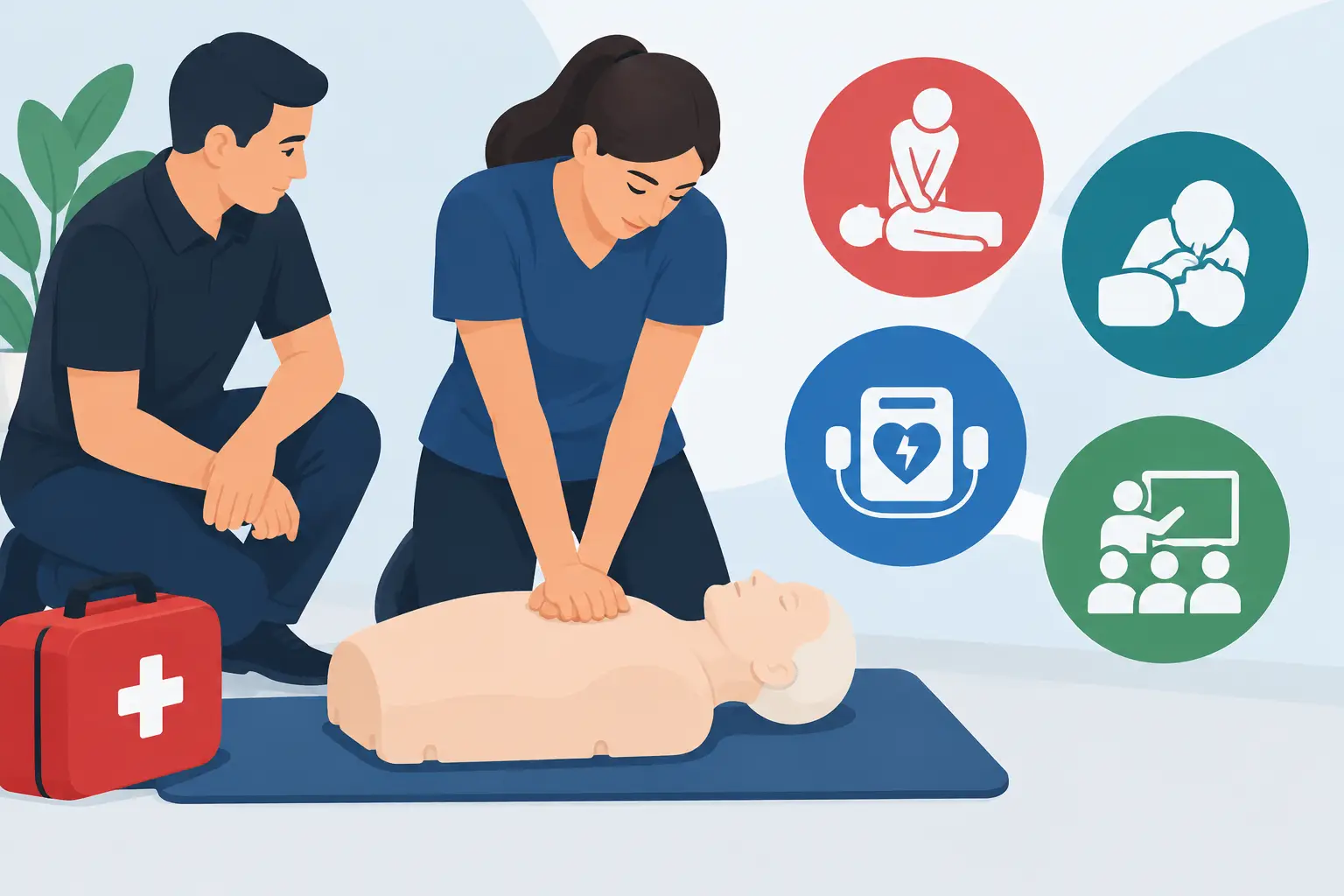
A CPR certificate is often requested at the point of hiring, not weeks later. The right CPR classes help you meet an employer requirement, respond effectively in an emergency, and leave with credentials that match the role you are applying for. The wrong course can cost time, money, and a second registration.
For Ontario workers, job seekers, supervisors, and security personnel, the practical question is not simply whether to take CPR training. It is which certification level is required, whether first aid is included, and whether the course format and credential meet workplace expectations.
Start With the Certification Requirement
Read the job posting, employer policy, or contract requirement before registering. Some roles only require CPR and AED training. Others require a full first aid course with CPR certification, particularly where employees may be responsible for workplace safety, public-facing duties, or incident response.
If the requirement says Intermediate First Aid with CPR Level C and AED, select that exact course level. Do not assume a basic CPR-only class is interchangeable with a workplace first aid credential. Course names can sound similar while covering different skills, training hours, and certification standards.
When the requirement is unclear, ask the employer or hiring manager three direct questions: What certification name is required? Does it need to be recognized for workplace purposes? Is there a required expiration date or training provider standard? Getting written confirmation is useful when certification is tied to employment or compliance.
CPR, AED, and First Aid Are Different Components
CPR training teaches the response to a person who is unresponsive and not breathing normally. It includes recognizing cardiac arrest, contacting emergency services, performing chest compressions, providing rescue breaths when applicable, and continuing care until help arrives.
AED training covers the safe use of an automated external defibrillator. The device gives spoken instructions, but effective training helps participants act without unnecessary delay, apply pads correctly, keep others clear during analysis, and resume CPR promptly.
First aid addresses a broader range of emergencies. Depending on the course level, this can include severe bleeding, shock, choking, medical emergencies, fractures, burns, and scene assessment. For many workplaces, first aid and CPR are required together because emergencies do not always involve cardiac arrest.
What Level C CPR Classes Usually Cover
CPR Level C is commonly selected by workers who may need to respond to adults, children, and infants. This broader age coverage is relevant for security staff, supervisors, childcare-related roles, recreation staff, and employees working with the public.
A Level C course generally includes adult, child, and infant CPR, choking response, and AED use. The practical portion matters. Participants need time to perform compressions on a manikin, practice AED steps, and receive correction from an instructor. Watching a video can introduce a procedure, but it does not replace hands-on assessment when a recognized credential requires in-person skills evaluation.
The appropriate level still depends on the role. A person seeking personal preparedness may choose training based on household needs. A worker should follow the employer's stated standard. When a workplace requires Intermediate First Aid Level C with AED, choosing a shorter course because it appears more convenient may not satisfy the requirement.
Why Blended Training Works for Busy Schedules
Blended CPR classes divide the learning between online coursework and an in-person session. This format can reduce the amount of time learners need to spend away from work, commuting, or managing family commitments while preserving the hands-on practice required for practical skills.
A structured blended Intermediate First Aid course may include 8 hours of online study followed by 8 hours of in-person instruction. The online component allows participants to work through course material before attending class. The in-person portion focuses on demonstrations, practice scenarios, skills checks, and questions that are easier to address face to face.
This approach works best when learners complete the online work carefully and arrive prepared. Do not treat the online module as a box to check. The classroom session moves more efficiently when participants already understand the key terms, emergency priorities, and course framework.
Blended delivery is not always the best fit. Some learners prefer a fully instructor-led classroom because they benefit from real-time explanation throughout the theory portion. Others need an accelerated schedule and should confirm whether the online work can be completed before a preferred in-person date. The right format is the one that meets the credential requirement and allows enough time for genuine skill development.
What to Check Before You Register
Course selection should be straightforward, but the details matter when certification supports employment or workplace compliance. Before paying for a course, verify the following:
- The exact certification level matches the employer, contract, or job posting requirement.
- The course includes AED training if it is required or expected for the role.
- The provider clearly states whether the training is recognized for Ontario workplace requirements.
- You can complete all online and in-person components within your deadline.
- The training location, start time, identification requirements, and completion rules are clear.
- You understand the current course fee, rescheduling policy, and certificate renewal period.
A legitimate provider should be able to explain the course format without vague promises. Look for clear information about the certificate issued, required attendance, practical evaluation, and what happens if a participant does not complete a component.
For employers, consistency also matters. Sending staff to different course types without confirming the requirement can create avoidable recordkeeping problems. A standardized training plan makes it easier to track expiration dates, verify qualifications, and schedule recertification before credentials lapse.
Prepare for the In-Person Session
Hands-on first aid and CPR training is active. Wear comfortable clothing that allows you to kneel, bend, and practice compressions. Arrive on time with any required identification and proof that online coursework has been completed, if applicable.
Expect to participate. Skill practice is not optional in a course that includes CPR and AED certification. Instructors assess technique because a certificate should represent more than attendance. Ask questions if you are unsure about compression depth, hand placement, choking response, recovery position, or AED operation. A small correction in class can make a significant difference under pressure.
If you have a physical limitation that could affect kneeling or performing compressions, contact the provider before the course date. Training providers can explain participation expectations and available options. Waiting until the skills assessment creates unnecessary uncertainty for both the participant and instructor.
Certification Is a Workplace Tool, Not Just a Document
A first aid certificate can help meet a hiring condition, but its value is practical. In an emergency, the first priorities are personal safety, activating emergency response, and providing care within the limits of your training. CPR and AED skills are designed to help a responder act during the critical minutes before paramedics arrive.
That is why recognized training, hands-on practice, and appropriate course selection belong together. Employers need reliable credentials for their records. Workers need training they can recall in a stressful situation. Canada First Aid provides a blended Intermediate First Aid Level C with AED option for learners who need a structured, WSIB-recognized path to certification in Ontario.
Keep Your Credentials Current
Do not wait for a job application or audit to check an expiration date. Save your certificate in a secure place, provide a copy to your employer when required, and set a reminder well before renewal is due. Requirements and recertification options can vary by credential, so confirm the current rules before booking a refresher course.
The best time to choose CPR training is before the requirement becomes urgent. Select the level your role requires, complete every course component, and keep the certificate current so you are ready when an employer, colleague, or emergency situation depends on it.