How to Report Workplace Injuries in Ontario
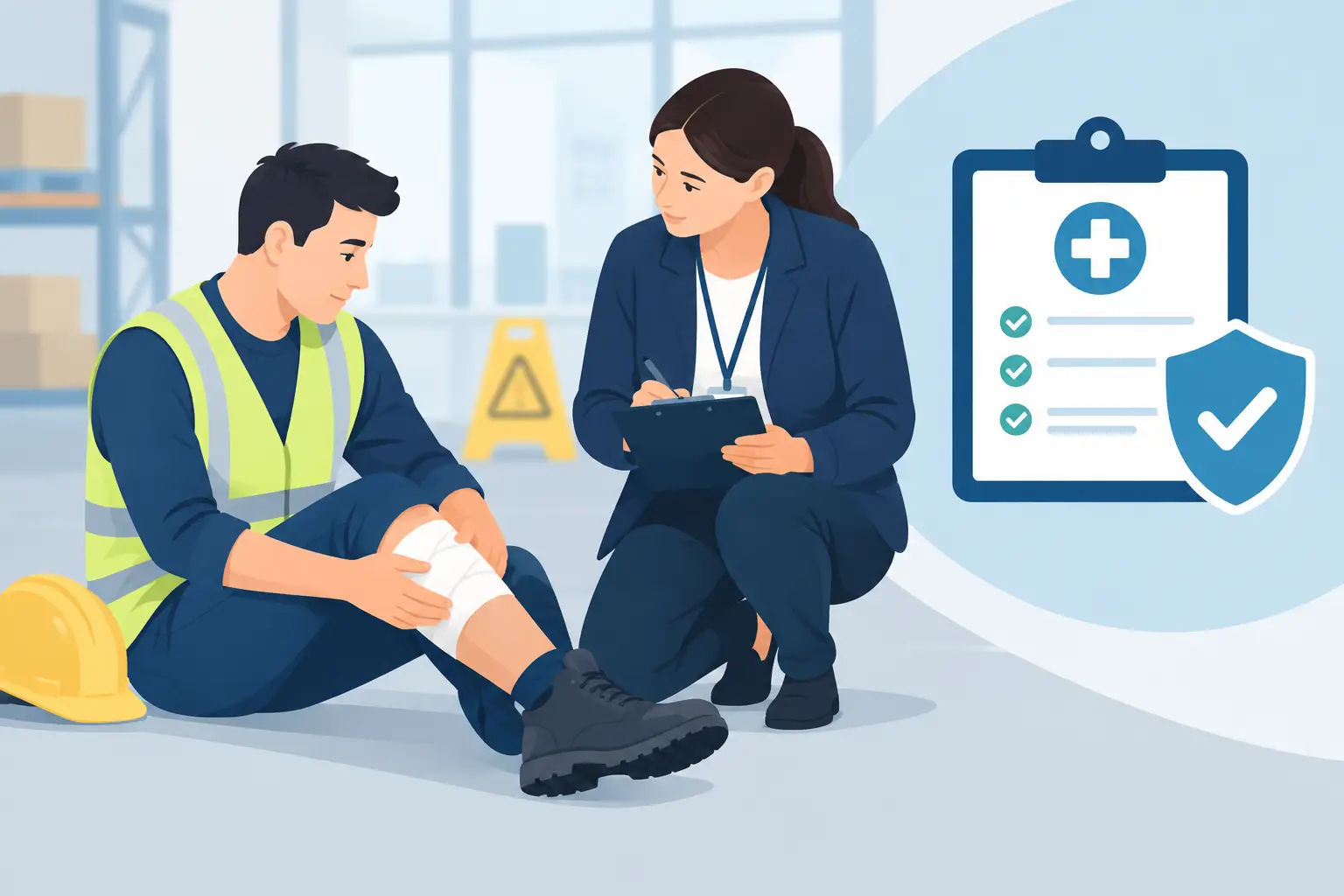
A workplace injury report starts at the scene, not at the end of a shift. When someone is hurt, the first priority is medical care and preventing further harm. The next priority is knowing how to report workplace injuries accurately, promptly, and through the right channels. A delayed or incomplete report can affect treatment, workplace investigations, insurance claims, and compliance obligations.
For Ontario workplaces, reporting requirements can involve the employer, the worker, the Workplace Safety and Insurance Board (WSIB), a joint health and safety committee or health and safety representative, and in serious cases, the Ministry of Labour, Immigration, Training and Skills Development. The correct process depends on what happened and how serious the injury is.
Respond to the Injury Before Starting Paperwork
Assess the scene before moving the injured person. If there is an immediate danger, such as energized equipment, traffic, a chemical release, violence, or a fall hazard, secure the area if it is safe to do so. Call 911 or local emergency services when the injury is life-threatening or requires urgent medical attention.
Provide first aid within the limits of your training. A trained first aider should use available workplace supplies, record the care provided, and arrange further medical assessment where needed. Do not ask an injured worker to continue working simply because they say they are fine. Symptoms from a head injury, back strain, eye exposure, or shock can worsen after the initial incident.
Once the worker is safe, preserve the area when possible. Do not clean up spilled material, restart machinery, or alter equipment before the necessary investigation unless doing so is required to remove an immediate hazard. Photographs, equipment settings, witness observations, and physical conditions may be needed to establish what occurred.
How to Report Workplace Injuries Step by Step
The reporting sequence should be clear to every employee, supervisor, and first aid attendant. Internal procedures vary, but the basic process remains consistent.
First, the injured worker should notify their supervisor as soon as possible. If the worker cannot report the injury, a coworker, first aider, or supervisor should do so. Employees should report all work-related injuries, illnesses, exposures, and near misses, even if they believe the issue is minor. Small injuries can become more serious, and early reporting creates a reliable record of the event.
Second, the supervisor should document the initial facts. Record the date, time, location, people involved, work being performed, injury or symptoms reported, first aid provided, witnesses, and any equipment or materials involved. Keep the language factual. A report should state what was observed and what the worker said, not assign blame or guess at medical causes.
Third, the employer should investigate the incident and correct immediate hazards. The investigation should identify contributing conditions, such as missing guards, poor housekeeping, inadequate training, unsuitable personal protective equipment, unclear procedures, or unsafe work scheduling. The purpose is prevention, not fault-finding.
Fourth, determine whether external reporting is required. This step should be handled promptly by the employer or designated safety representative because reporting deadlines may apply.
When an Employer Must Report to WSIB
In Ontario, employers generally have a duty to report a work-related injury or illness to WSIB when it results in lost time from work, loss of earnings, modified work, medical treatment beyond first aid, or other circumstances that meet WSIB reporting requirements. The employer commonly uses an Employer's Report of Injury/Disease, known as Form 7.
A Form 7 is generally due within three business days after the employer learns of the reportable injury or illness. Employers should verify the current WSIB requirements and use the applicable reporting method. Waiting to see whether symptoms improve can create unnecessary risk when the incident is already reportable.
First aid alone does not always trigger a WSIB report. For example, a small cut treated with a bandage may not require a Form 7 if the worker does not need health care, lose work time, lose earnings, or require modified duties. That does not mean the event should be ignored. It should still be documented internally, reviewed for hazards, and monitored in case the worker's condition changes.
Workers can also submit a Worker's Report of Injury/Disease, known as Form 6. A health care practitioner may provide a health professional's report. Employers should not discourage a worker from seeking medical care or filing a claim. Retaliation, pressure to avoid reporting, or altering records creates serious legal and safety concerns.
Serious Incidents Require Immediate Escalation
Fatalities, critical injuries, occupational illnesses, and certain other serious events may require immediate notice to the Ministry of Labour, Immigration, Training and Skills Development, as well as notice to the joint health and safety committee, health and safety representative, or union where applicable. Written follow-up may also be required.
A critical injury is a specific legal category in Ontario. It can include injuries that place life in jeopardy, produce unconsciousness, cause substantial blood loss, involve a major fracture, result in the amputation of a leg, arm, hand, or foot, or cause burns over a significant portion of the body. Do not rely on informal assumptions when assessing severity. If there is doubt, treat the matter as urgent and consult the organization’s reporting procedure and qualified safety personnel.
The scene of a fatality or critical injury should not be disturbed except to save life, relieve suffering, prevent further injury, or protect property. Supervisors need to know this requirement before an incident occurs, not while responding under pressure.
What a Complete Injury Report Should Include
A useful report gives decision-makers enough detail to investigate and prevent a repeat incident. It should include the worker’s name and job role, the date and exact location, the task underway, the injury or exposure reported, and the care arranged.
It should also capture environmental and operational details: equipment involved, personal protective equipment worn, weather or lighting conditions where relevant, substances involved, witness names, and photographs or sketches when appropriate. If the worker describes pain, numbness, dizziness, or another symptom, record their words as accurately as possible.
Avoid conclusions such as “worker was careless” or “injury was not serious.” Those statements can be inaccurate and may undermine a fair investigation. Write “worker stated that they slipped on water near the loading entrance” rather than assigning cause before the facts are reviewed.
Medical information should be handled carefully. Supervisors need enough information to arrange safe work and reporting, but they do not need a detailed diagnosis. Store reports securely and limit access to personnel with a legitimate role in the process.
Follow Up After the Initial Report
Reporting is not complete when the form is submitted. The employer should follow up with the worker, confirm whether medical restrictions exist, and provide suitable modified duties where appropriate. Modified work must be meaningful and safe. Assigning duties that ignore a restriction can delay recovery and create another incident.
The workplace should also verify that corrective actions were completed. If a report identifies a damaged ladder, blocked exit, missing machine guard, or training gap, assign responsibility and a completion date. A report that is filed but never acted on does little to protect the next worker.
Patterns matter. Repeated strains in one department, frequent slips near an entrance, or recurring hand injuries during a particular task may indicate a system problem. Review incident reports regularly with supervisors and the joint health and safety committee or representative. Near-miss reports are especially useful because they reveal hazards before someone requires treatment.
Prepare Workers and Supervisors Before an Incident
A reporting procedure works only when people know it, can access it, and are comfortable using it. Employees should know who to tell, where first aid supplies are located, how to contact emergency services, and what details to provide. Supervisors should understand reporting deadlines, documentation standards, and escalation requirements.
First aid training supports this process by helping workers recognize when an injury needs more than a basic response. Canada First Aid provides recognized training that helps Ontario workers respond calmly, provide appropriate initial care, and understand the importance of accurate incident documentation.
The best time to improve reporting is before an injury occurs. Keep reporting forms available, train supervisors on the process, review serious-event procedures, and make it clear that reporting is a safety responsibility, not a disciplinary event.